What You Need to Know About CEREC Dental Crowns: Benefits, Procedure, and Care Tips
If you need a dental crown, you might have heard about CEREC crowns as a fast and modern option. CEREC crowns are made using computer technology that allows your dentist to create and place a custom crown in just one visit, instead of waiting weeks for a lab-made crown. This technology eliminates the need for messy impressions and multiple appointments.
Understanding how CEREC crowns work and their benefits can help you decide if they are the right choice for your dental needs. They offer a natural look and durability, but there are some factors like cost and longevity to consider. Knowing these details will prepare you to talk with your dentist and make an informed decision.
Understanding CEREC Dental Crowns
CEREC crowns offer a modern way to restore damaged teeth quickly. They use advanced technology, materials, and design that set them apart from traditional crowns. Knowing how these crowns work and what they are made of will help you decide if they fit your needs.
What Are CEREC Crowns?
CEREC crowns are dental crowns made using CAD/CAM technology. This means your dentist scans your tooth digitally, designs the crown on a computer, and then mills it right in the office. The whole process usually takes just one visit.
Because of this, you won’t need temporary crowns or multiple appointments. CEREC stands for Chairside Economical Restoration of Esthetic Ceramics. It focuses on making strong, natural-looking crowns that fit well.
How CEREC Crowns Differ From Traditional Crowns
Traditional crowns often require at least two visits. Your dentist takes an impression, sends it to a lab, and waits weeks for the crown to come back. You usually wear a temporary crown in the meantime.
CEREC crowns are different because you get your permanent crown the same day. This saves time and reduces the hassle of multiple appointments.
However, CEREC crowns can be more costly upfront. They can also be less durable in some cases compared to crowns made at specialized labs. Your dentist will help you weigh these factors.
Materials Used in CEREC Crowns
CEREC crowns are made mostly from ceramic or porcelain materials. These materials look similar to natural teeth and are resistant to staining. Ceramics used in CEREC crowns are strong but can vary in durability.
Your dentist will select the material based on where the crown will be placed and how much chewing pressure it will face. Metals and gold, common in traditional crowns, are usually not used with CEREC technology.
The use of ceramics allows for a more natural look. It also means the crowns are biocompatible, which lowers the risk of allergic reactions.
Procedure and Technology
The CEREC crown process uses advanced digital tools to create a precise, custom dental crown quickly.
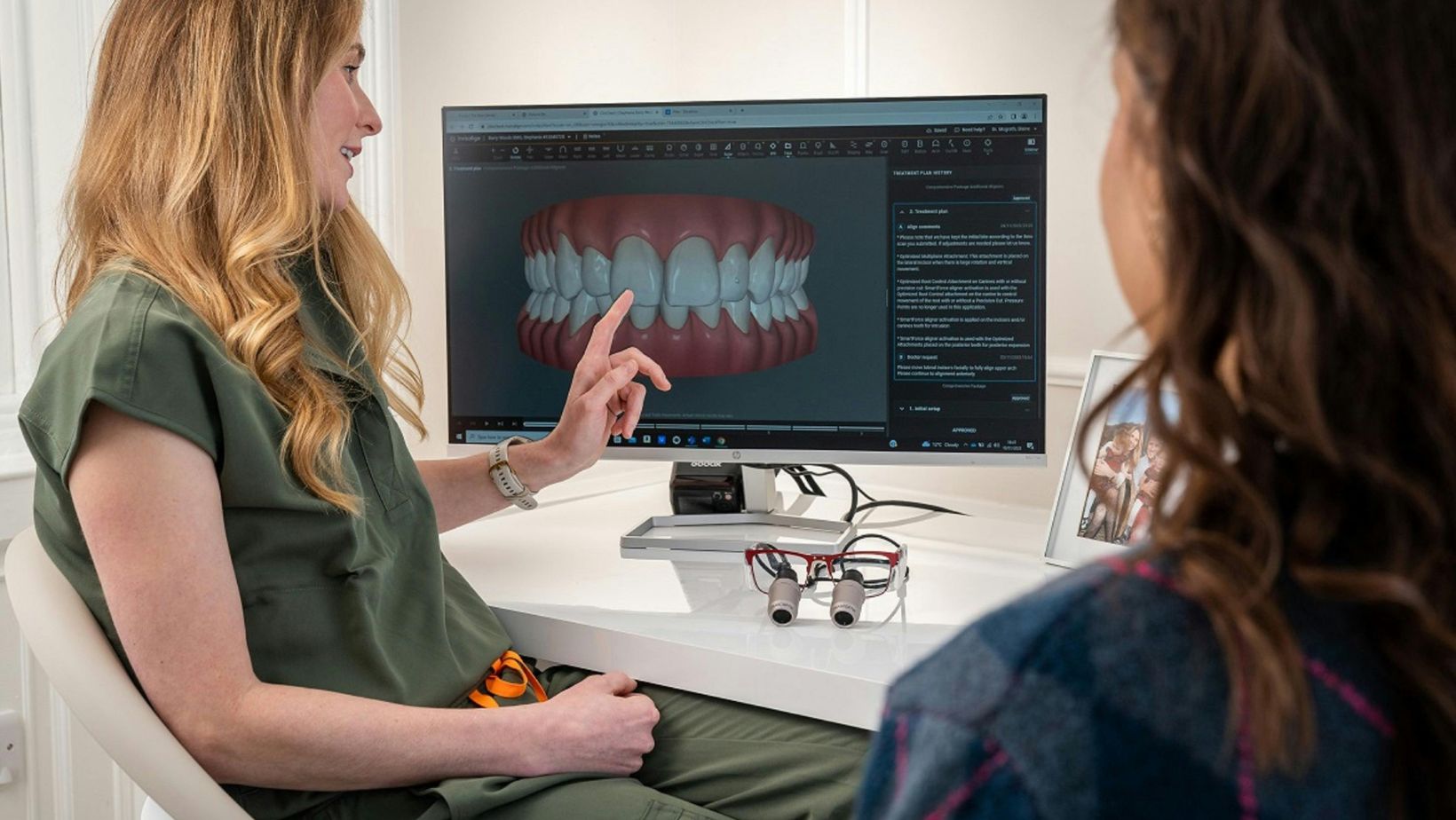
This method combines detailed digital scans with computer-aided design and manufacturing to make your crown right in the dental office.
Digital Impressions and CAD/CAM Technology
Instead of traditional molds, your dentist uses a digital scanner to capture a 3D image of your tooth. This is called a digital impression. It is more comfortable and faster than biting into putty.
The scanned image goes into CAD/CAM software, which designs your crown on a computer. CAD stands for Computer-Aided Design, and CAM means Computer-Aided Manufacturing.
Once designed, a milling machine carves the crown from a solid ceramic block using your digital blueprint. This process ensures your crown fits well and looks like your natural teeth.
Step-by-Step CEREC Crown Process
First, your tooth is prepared by removing decay or old fillings. The area is then scanned to capture the digital impression.
Next, your dentist designs your crown using the CAD software. You may see the design on a screen before it is made.
After that, the milling machine fabricates the crown in about 15 to 30 minutes. Once finished, your dentist may adjust the fit and polish the crown.
Finally, the crown is bonded to your tooth using a dental adhesive to make it secure and strong.
Single-Visit Crown Placement
One key advantage is that the entire procedure usually happens in a single visit. You do not need temporary crowns or multiple appointments.
This saves you time and reduces the need for repeated numbing or visits. Your crown is ready and placed before you leave the office.
By completing everything in one appointment, you get a natural-looking, durable crown fast and with less discomfort.
Benefits and Considerations
CEREC dental crowns offer several practical advantages while also having some limits to consider. They can save you time and provide a strong, natural look. However, not everyone is a perfect candidate, and care is important to keep them lasting.
Advantages of Choosing CEREC Crowns
One major benefit of CEREC crowns is that they are made and placed in one visit. This means no need for multiple dental appointments or temporary crowns. You walk in with a damaged tooth and leave with a permanent crown.
CEREC crowns are created using computer-aided design and milling technology. This allows for a precise fit and natural appearance. The materials used typically match your tooth color, giving a seamless look.
You also benefit from durability. CEREC crowns are made from strong ceramic that resists wear and tear. This makes them suitable for front or back teeth. Plus, the process reduces chances of discomfort compared to traditional methods.
Limitations and Suitability
CEREC crowns may not be the best fit if you have complex dental needs. For example, if your tooth requires a lot of reshaping or a special type of crown, your dentist might recommend traditional options.
In some cases, the size and location of the damaged tooth affect suitability. Very large restorations might need lab-made crowns for better strength. Also, if you have certain bite problems, the fit could be less ideal.
Your dentist will evaluate your oral health before recommending CEREC. Factors like gum health, tooth condition, and habits like teeth grinding impact whether CEREC crowns are a good choice for you.
Longevity and Care
CEREC crowns can last many years when properly cared for. On average, they last about 10 to 15 years, depending on wear and your dental habits.
To keep your crown in good shape, brush twice daily and floss carefully around the crown area. Avoid biting hard objects like ice or pens, which can damage the ceramic.
Regular dental check-ups are important. Your dentist will check the crown’s fit and condition to catch any issues early. Good home care combined with professional monitoring helps your crown stay strong longer.
Cost and Insurance Insights
The price of CEREC crowns depends on several factors including materials and location. Insurance may cover part or all of the cost depending on your plan and the reason for the crown. Understanding these details helps you plan your treatment and budget.
CEREC Crown Cost Factors
CEREC crowns generally cost between $500 and $1,500 per tooth, though prices can go as high as $2,500 in some areas. The exact cost depends on:
- The type of material used (e.g., all-ceramic crowns tend to be more expensive than porcelain-fused-to-metal).
- The complexity of your case and the dentist’s fees.
- Your geographic location and the dental office’s pricing.
CEREC crowns offer a same-day procedure, which can save you time but may also influence the price compared to traditional crowns that require multiple visits over weeks.
Insurance Coverage and Payment Options
Your insurance coverage varies based on your plan and whether the crown is needed for health or cosmetic reasons. Many dental plans cover CEREC crowns similarly to traditional ones if the treatment restores tooth function.
You may find that:
- Insurance covers a portion, leaving you to pay the rest out of pocket.
- Some plans require pre-approval or may have limitations on coverage for certain materials.
- If coverage is limited, payment plans or financing options through your dental office can help manage cost.
Always check directly with your insurance provider to understand your benefits before treatment.