
What Happens If You Don’t Replace a Missing Tooth Consequences and Solutions Explained
Losing a tooth might seem like a small problem, especially if it’s not easily visible when you smile. However, leaving a missing tooth unreplaced can lead to serious issues such as bone loss, shifting teeth, and bite changes that affect chewing and speech. Over time, these changes can influence not only oral health but also facial structure and overall well-being. Options such as Dental Implants or Full Mouth Dental Implants are designed to restore function while helping prevent these long-term complications.
When a tooth is lost, the jawbone no longer receives the stimulation it needs, which can cause gradual bone shrinkage. Nearby teeth may drift into the open space, leading to misalignment and uneven bite pressure. This imbalance can place extra strain on the jaw and make everyday activities like chewing less comfortable.
Understanding the effects of leaving a missing tooth untreated helps clarify why timely replacement plays an important role in maintaining oral health, facial support, and long-term stability.
Immediate Consequences of Not Replacing a Missing Tooth
Losing a tooth right away affects how your mouth works in several ways. Your ability to chew food properly, speak clearly, and the way your face looks all change quickly after the tooth is gone. These changes can make everyday actions harder and affect your comfort.
Impact on Chewing Efficiency
When you lose a tooth, your ability to chew food evenly drops. You may start to avoid using the side of your mouth with the missing tooth. This puts extra pressure on the other teeth, which can cause them to wear down faster or become sensitive.
Chewing becomes less effective, especially with harder or tougher foods. This can lead to digestion problems because food is not broken down well before swallowing. You might also experience jaw pain or discomfort from overusing certain muscles or teeth.
Replacing a tooth soon helps keep chewing balanced and protects the rest of your mouth from unnecessary strain.
Effect on Speech Clarity
A missing tooth can change how you form sounds and words. Teeth help guide your tongue and lips to make clear speech. Without a tooth, certain sounds like “s,” “th,” and “f” can become harder to pronounce.
You may notice a lisp or slurring in your speech. This can make it difficult for others to understand you and might affect your confidence in conversations. The size and location of the missing tooth impact how much your speech changes.
Replacing the missing tooth restores the normal shape inside your mouth, making speech clearer and easier again.
Changes in Facial Appearance
Losing a tooth can quickly affect how your face looks. The bone that once supported the tooth begins to shrink because it’s no longer needed to hold a tooth root. This bone loss causes your jaw to lose shape and volume.
Over time, this leads to a sunken or sagging look around the mouth and cheeks. You might notice increased wrinkles or a slight change in your smile. These changes can make you appear older than your true age.
Replacing the tooth helps keep your jawbone strong and supports your facial structure. This can maintain a natural and healthy appearance longer.
Summary Table: Immediate Impacts of Missing Tooth
| Area | Impact | Result |
| Chewing Efficiency | Uneven chewing, extra pressure on teeth | Jaw pain, digestion issues |
| Speech Clarity | Difficulty forming sounds like “s” and “th” | Lisp, unclear speech |
| Facial Appearance | Bone loss, changes in jaw shape | Sagging face, early aging |
Long-Term Oral Health Risks
A missing tooth can cause serious issues inside your mouth over time. These problems affect how your remaining teeth fit together, the strength of your jawbone, and the health of your gums.
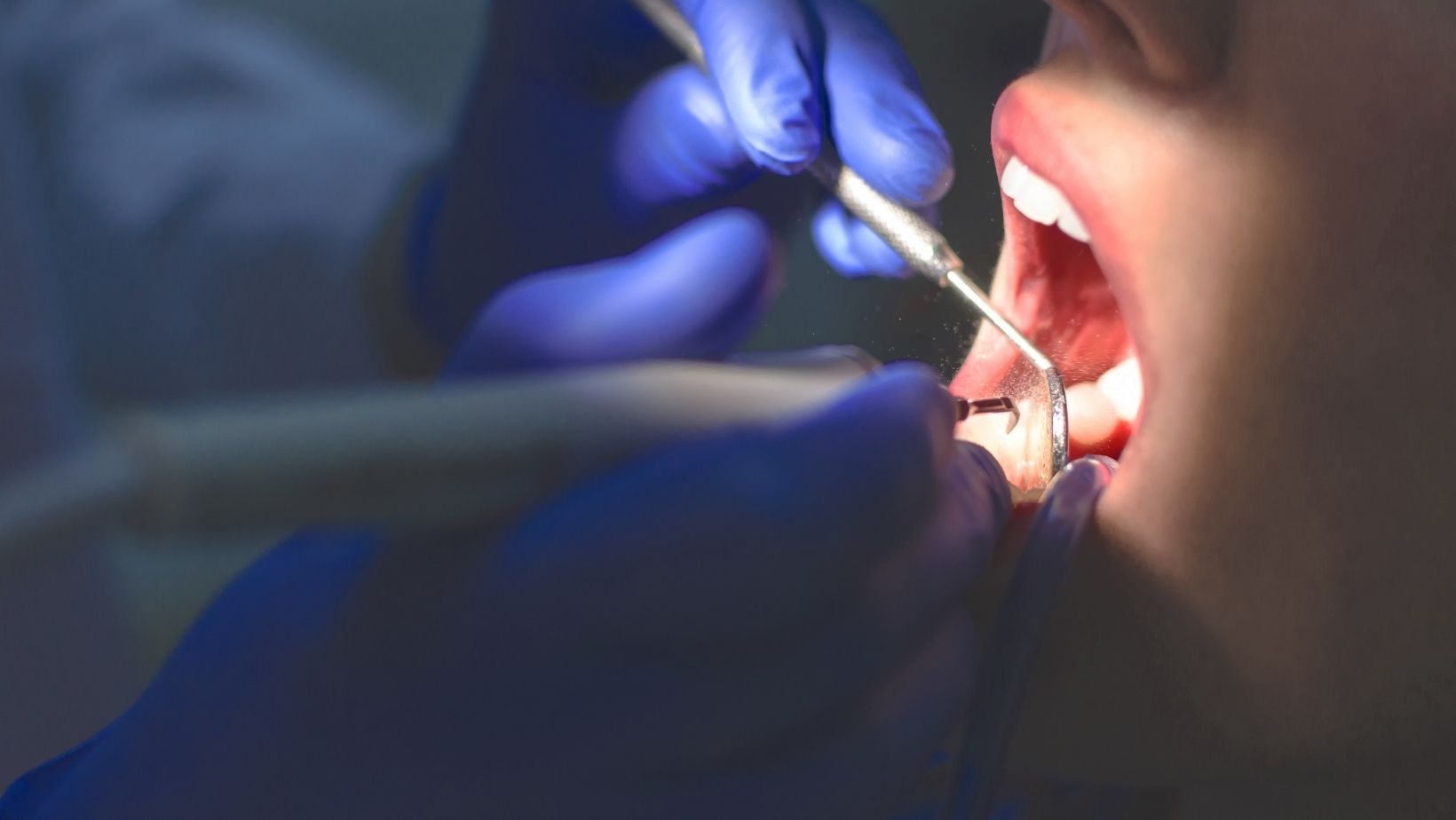
Each of these areas plays a key role in keeping your mouth working well and looking healthy.
Shifting of Adjacent Teeth
When you lose a tooth, the space it leaves behind lets nearby teeth move out of place. Teeth next to the gap may tilt or shift toward the empty spot. This movement can change your bite and make it harder to chew food properly.
Shifting teeth can also create new gaps or overlaps, making cleaning more difficult. Food and plaque can collect in these spots, increasing the risk of decay. Misalignment sometimes leads to jaw pain or headaches because your teeth no longer meet evenly.
Jawbone Deterioration
Your tooth roots stimulate the jawbone when you chew, keeping the bone strong. When a tooth is missing, this stimulation stops. As a result, your jawbone can begin to shrink or weaken over time, a process called bone loss.
Bone loss changes the shape of your face and can cause surrounding teeth to become loose. It also makes it harder to place implants later since there might not be enough bone to support them. Without treatment, bone loss will continue and affect your oral health further.
Increased Risk of Gum Disease
Leaving a gap from a missing tooth can increase your chance of gum disease. The open space allows food particles and bacteria to build up more easily. This can lead to inflammation and infection of your gums.
Gum disease damages the tissues and bone that hold your teeth in place. If untreated, it could cause more tooth loss. Keeping the gap closed or treated helps protect your gums and supports healthy teeth around the missing spot.
Broader Health and Lifestyle Implications
Losing a tooth affects more than just your mouth. It can change how you eat, how you feel about yourself, and even cause pain that lasts over time. These effects can affect your everyday life.
Dietary Restrictions
When you lose a tooth, you might find it harder to chew certain foods. Hard or crunchy items like nuts, raw vegetables, or tough meats can become uncomfortable or painful. This may lead you to avoid these healthier options.
Eating softer or processed foods often means missing out on key nutrients. Over time, this change can affect your overall health. You may also experience digestive issues because food is not broken down properly in your mouth.
You could try cutting food into smaller pieces or cooking vegetables softer. However, without replacing the missing tooth, the limitations on your diet might persist.
Reduced Self-Confidence
A missing tooth can change how you look and how you feel about your smile. You may feel embarrassed when talking, laughing, or smiling. This discomfort might make you avoid social situations or speaking up.
Your self-confidence can drop, impacting both personal and professional interactions. This may cause stress or anxiety in social settings.
Replacing the tooth can restore your smile and help rebuild your confidence. Until then, you might find yourself hiding your mouth or covering your smile in photos.
Potential for Chronic Pain
Missing teeth can cause changes in your bite and jaw movement. This can lead to muscle strain or jaw joint problems like temporomandibular joint (TMJ) disorder. You may experience headaches, jaw pain, or difficulty opening your mouth fully.
Over time, these issues can worsen if the missing tooth is not replaced. The neighboring teeth move into the gap, causing uneven pressure and additional discomfort.
Ignoring the problem may lead to ongoing pain that affects your daily comfort and ability to eat. Early dental treatment can help prevent these complications.