Tooth Replacement Options for Seniors Explained: A Clear Guide to Choosing the Right Solution
When tooth loss occurs later in life, selecting the right replacement option plays an important role in comfort, health, and confidence. Common choices include dentures, bridges, and dental implants, each offering different benefits, costs, and levels of permanence. Options for tooth replacement in Schererville IN are designed to address these differences while supporting long-term oral function.
Dental implants are often recognized for their durability and stability, frequently lasting longer and functioning more like natural teeth than dentures or bridges. They also help preserve jawbone structure. Dentures and bridges, however, may be more suitable in certain situations based on health considerations or budget.
Understanding how each option works makes it easier to compare outcomes and choose a solution that supports long-term oral health and overall well-being.
Understanding Tooth Loss in Seniors
Tooth loss affects many older adults and can change how you eat, speak, and feel about your appearance. Knowing why teeth are lost, the health effects, and what to watch for in your oral health can help you make better choices about tooth replacement.
Common Causes of Tooth Loss in Older Adults
Most tooth loss in seniors comes from preventable problems. Gum disease is a leading cause. It damages the tissues and bone supporting your teeth, making them loose over time. Tooth decay also remains a common issue when brushing and flossing habits decline or when dry mouth reduces natural protection.
Other causes include tooth fractures from injury or wear, and sometimes medical conditions like diabetes that affect your mouth’s healing ability. Age itself doesn’t cause tooth loss; it’s more about how well you care for your teeth and gums over the years.
Health Impacts of Missing Teeth
Missing teeth affect you beyond your smile. It becomes harder to chew food properly, which can limit your diet and lead to poor nutrition. You might also notice speech changes, such as slurring or whistling sounds.
Social effects are common, too. Missing teeth may lower your confidence and affect how you interact with others. If you don’t replace missing teeth, surrounding teeth can shift, causing bite problems and jaw pain. These issues can worsen over time, making it important to address tooth loss promptly.
Considerations for Senior Oral Health
As you age, your mouth needs more attention. Dry mouth caused by medications reduces saliva, which protects your teeth from decay. You should be aware of this and use products to help keep your mouth moist.
Regular dental visits become more important to catch problems early. Watch for signs like bleeding gums, loose teeth, or persistent pain. Maintaining good oral hygiene and managing health conditions like diabetes can help protect your remaining teeth.
Key reminders for senior oral care:
| Action | Why It Matters |
| Brush twice daily | Removes plaque that causes decay |
| Floss daily | Prevents gum disease |
| Stay hydrated | Helps prevent dry mouth |
| Visit your dentist | Early detection of problems |
Key Tooth Replacement Options for Seniors
You have several choices when it comes to replacing missing teeth. Each option offers different benefits depending on your health, budget, and lifestyle. Knowing how each works can help you make the best decision for your dental needs.
Removable Dentures
Removable dentures are the most common and affordable choice for seniors. They are designed to replace multiple missing teeth and fit over your gums. You can take them out for cleaning and at night.
These dentures restore basic chewing ability and improve your appearance. However, they may feel bulky, and some people find them less stable than other options. You might need adhesives to keep them in place.
Regular adjustments are important to keep dentures fitting well, especially if your gums or jawbone changes over time. Although dentures don’t stop bone loss, they still provide a functional and cost-effective solution.
Dental Implants
Dental implants are a permanent way to replace missing teeth. They involve surgically placing a metal post into your jawbone, which acts like a tooth root. After healing, a crown or bridge is attached to this post.
Implants offer strong chewing ability and look very natural. They also help prevent bone loss by stimulating the jawbone. Good bone health and overall health are needed for implants to succeed.
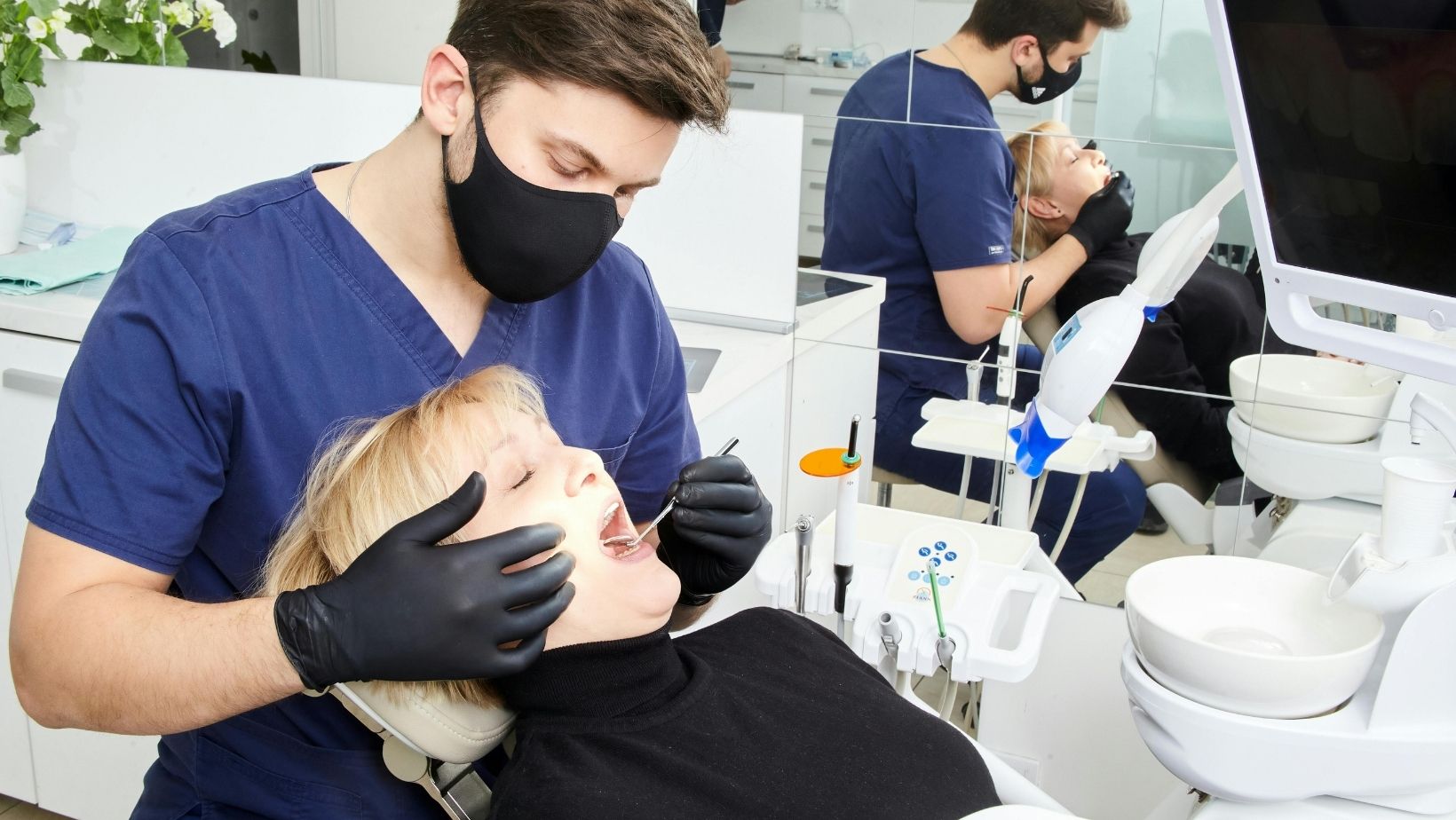
Though implants usually cost more up front, they often last longer and require less maintenance than other options. Many dental offices offer payment plans to help make implants more affordable.
Fixed Bridges
Fixed bridges are a permanent tooth replacement that use your natural teeth for support. The bridge consists of one or more artificial teeth held in place by crowns on your neighboring teeth.
This option is less invasive than implants because it does not require surgery. Bridges restore your ability to chew and smile confidently. They usually last 10 to 15 years with good care.
One downside is that your healthy teeth need to be shaped to hold the crowns, which can affect their strength over time. Bridges don’t prevent jawbone loss directly but provide a good balance between function and cost.
Partial Dentures
Partial dentures replace several missing teeth but are removable, unlike fixed bridges or implants. They clip onto your natural teeth with metal clasps or precision attachments.
This option is less expensive than implants and can be adjusted if you lose more teeth later. Partial dentures improve your chewing and speech but may feel less stable than fixed options.
They require daily cleaning and can sometimes irritate gums. Partial dentures also do not stop bone loss, but they help maintain your smile and oral function without surgery.
Comparing Suitability and Effectiveness
When choosing tooth replacement options, you need to consider how long they last, how comfortable and functional they feel, and how natural they look. Each choice has different strengths in these areas that can affect your daily life and confidence.
Longevity and Durability
Dental implants tend to last the longest. With proper care, they can last 20 years or more because they are anchored into the jawbone. This makes them a solid long-term investment despite the higher upfront cost.
Dentures usually need to be replaced or adjusted every 5 to 10 years. They can wear down or shift as your mouth changes shape over time. Bridges fall somewhere in between, often lasting 10 to 15 years but requiring healthy adjacent teeth for support.
If you want a replacement that won’t need frequent repairs or changes, implants are generally the most durable option. Dentures and bridges can work well but expect some maintenance.
Comfort and Functionality
Implants feel the most natural because they act like real teeth. You can chew most foods without worry, and there is no slipping or shifting in your mouth. This makes implants highly effective for speaking and eating.
Dentures are lighter but sometimes less comfortable. They can rub against gums and need adhesives to stay in place, which might require adjustments. Bridges are fixed like implants but may affect nearby teeth since they rely on them for support.
If your priority is ease of use and strong chewing ability, implants offer the best functionality. Dentures and bridges may take some getting used to and might limit certain foods.
Aesthetics and Natural Appearance
Implants offer the best look because they mimic natural teeth and integrate with your jaw. They blend in well with your smile and do not affect facial shape.
Dentures can look natural too but may have visible edges if not fitted correctly. They may sometimes appear less like natural teeth, especially if they slip or cause changes in facial structure over time.
Bridges also provide a natural look by filling gaps but rely on surrounding teeth, which can sometimes cause visible metal clasps or affect gum health.
For the most natural appearance, implants are preferred. Dentures and bridges can work, but the fit and care you use will affect how real they look.
Cost, Accessibility, and Decision Factors
When choosing a tooth replacement, you need to think about costs, how easy it is to get treatment, and what fits your personal health and lifestyle. These factors will help you decide the best option for your needs and budget.
Insurance and Financial Considerations
Dental implants usually cost more upfront than dentures or bridges. However, implants last longer and need less maintenance, which might save you money in the long run. You should check if your dental insurance covers any part of the treatment. Many plans cover dentures but cover implants less often or not at all.
You can also ask your dental office about payment plans or financing options. These can spread out the cost and make implants or other treatments more affordable. It’s important to balance cost with how long the replacement will last and how much care it needs.
Accessibility and Senior-Friendly Care
Not all tooth replacement options are easy for seniors to access or use. Dentures are widely available and usually require fewer visits, making them an accessible choice. However, implants may need several appointments and more healing time.
Modern implant technology now includes same-day procedures and screwless implants, which can make treatment quicker and more comfortable for seniors. Some clinics specialize in senior dental care and understand the physical or health challenges you might face, helping make the process smoother.
Personalized Recommendations for Seniors
Your health, the number of missing teeth, and lifestyle all affect what tooth replacement suits you best. If you have good bone health and want a permanent fix, implants might be ideal.
If you have multiple missing teeth or budget limits, dentures or dental bridges could work better. Your dentist will look at your medical history, oral health, and daily habits to recommend options tailored to your situation.
Factors your dentist considers:
- Bone quality and density
- Number of missing teeth
- Your ability to maintain oral hygiene
- Budget and insurance coverage
- Comfort with surgery or ongoing denture care