Qualities to Look for in an Implant Dentist in Bayside NY: Credentials, Technology & Outcomes for Reliable Dental Care
When choosing an implant dentist in Bayside, NY, you want to focus on key qualities that impact your treatment’s success. Credentials show the dentist’s training and expertise, which helps ensure you receive safe and effective care. Advanced technology plays a big role in comfort and precision, leading to better results and quicker recovery.
The most important qualities to look for are strong credentials, use of modern implant technology, and proven treatment outcomes. These factors work together to give you a natural-looking smile that functions well over time. Knowing what to look for helps you make a smart choice for your dental health and confidence.
One such dentist is Dr.Barry Silverman who received his Bachelor of Science in Biology from Adelphi University. aAnd is running his practice at University Dental in Bayside, New York for over a decade now.
Essential Credentials for Implant Dentists in Bayside NY
When choosing an implant dentist, you want to be sure they have the right licenses, training, and ongoing education. Look for clear proof of their expertise and connections to respected dental organizations. These factors help ensure your dentist can safely and effectively place dental implants.
Licensing and Certifications
Your implant dentist must hold a valid state dental license. This license shows they met the basic requirements to practice dentistry legally in New York. You can check licensing status through the New York State Education Department’s Office of the Professions website.
In addition to a dental license, look for certifications specific to implant dentistry. Certification from reputable organizations, such as the American Board of Oral Implantology (ABOI), signals advanced skill. This formal recognition means your dentist passed rigorous exams focused on implant techniques.
Key points to verify:
- Current New York state dental license
- Board certifications in implant dentistry or related fields
- Clear display of credentials at the dental office or website
Advanced Dental Implant Training
Specialized training beyond dental school is critical for success in implant placement. Implant dentistry requires precise surgical skills and knowledge of bone biology. Dentists who complete fellowships or extended courses in implantology are better equipped.
When researching your Bayside dentist, ask about their implant training. Doctors who attend well-known implant education programs are more likely to deliver quality results. Some dentists also train in oral surgery or periodontics, which further enhances their expertise in implant placement.
Look for details like:
- Postgraduate implant courses or fellowships
- Hands-on experience with single and multiple tooth implants
- Training in bone grafting and advanced surgical techniques
Professional Affiliations
Belonging to professional dental organizations shows your dentist stays involved in the wider implant community. These affiliations offer access to the latest research, technology, and peer support. They also set high ethical and practice standards for members.
Some respected groups to look for include:
- American Academy of Implant Dentistry (AAID)
- Academy of Osseointegration (AO)
- American Dental Association (ADA)
These memberships don’t guarantee skill but indicate the dentist values continued improvement and networking. Your dentist’s involvement can reflect commitment to quality care.
Continuing Education
Dentistry constantly evolves, especially with new implant materials and technologies. You want a dentist who keeps learning after formal training. Continuing education (CE) ensures they stay up to date on best practices.
Ask your dentist how often they attend CE courses and what topics they focus on. Frequent participation in implant workshops or seminars shows dedication to maintaining and upgrading skills. Some dentists also teach or present at dental conferences, which highlights their knowledge level.
Signs of good continuing education habits:
- Regular participation in implant-specific CE courses
- Training on new implant systems and digital tools
- Engagement with the latest surgical methods and materials
Modern Dental Technology and Techniques
You want an implant dentist who uses the latest tools to make your treatment precise and safe.

Advanced imaging, surgery guides, quality materials, and strict safety rules all play a key role in better outcomes and faster healing.
Digital Imaging and 3D Scanning
Digital imaging and 3D scanning provide detailed views of your jawbone and teeth structure. This gives your dentist accurate information to plan the implant placement carefully.
With 3D scans, your dentist can create a precise map of your mouth. This reduces guesswork and helps avoid damaging nerves or sinuses. It also allows tailored implants that fit your bone perfectly, improving comfort and durability.
These digital tools speed up diagnosis and treatment planning. You get more predictable results because the dentist can see and measure areas that traditional X-rays might miss. This technology directly impacts the success of your implant.
Use of Guided Implant Surgery
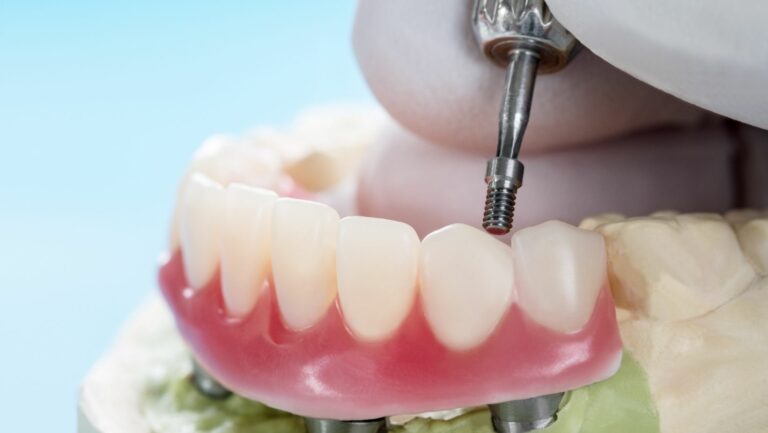
Guided implant surgery uses computer software to plan the exact position of your implants before the procedure. Your dentist creates a surgical guide, often a custom-made template, to follow during surgery.
This method increases accuracy in implant placement. Because the guide directs the drill and implant, it reduces the risk of mistakes and soft tissue damage. You experience less pain, shorter operation time, and quicker recovery.
Some practices use robotic tools to assist in the surgery, combining human skill with machine precision. This innovation further enhances safety and outcomes by allowing same-day scans, planning, and implant placement.
High-Quality Implant Materials
You should expect your implant dentist to use top-grade materials. Most implants are made of titanium or zirconia, both known for strength and biocompatibility.
Titanium is durable and bonds well with bone, supporting long-term stability. Zirconia offers a metal-free option with good strength and a natural tooth color, which can be useful for those with metal sensitivities.
High-quality materials resist corrosion and wear better, reducing the chance of implants failing. Your dentist should explain what materials they use and why, so you understand how they contribute to your implant’s lifespan and appearance.
Sterilization and Safety Protocols
Strict sterilization and safety protocols protect you during dental implant procedures. Your dentist must follow guidelines to prevent infection and cross-contamination.
This includes using sterilized instruments, disposable barriers, and thorough cleaning of treatment areas. Your provider should also use personal protective equipment like gloves and masks.
Ask how your implant center handles these steps. Proper sterilization lowers risks of complications and supports faster healing after surgery. Knowing these protocols are in place can give you confidence in the cleanliness and safety of your care.
Evaluating Implant Success and Patient Outcomes
When choosing an implant dentist, it’s important to look beyond just credentials. You want clear evidence of how well the implants work, how satisfied patients are, and how durable the implants remain over time. These factors give you a better picture of what to expect from your treatment.
Before-and-After Case Studies
Reviewing before-and-after case studies lets you see real results from the implant dentist’s work. Look for photos that show improvements in both function and appearance. Notice how natural the implants look compared to the patient’s original teeth.
Case studies also highlight different types of treatments, such as single implants or full-mouth reconstructions. This helps you understand the dentist’s experience with cases similar to yours. Pay attention to detailed descriptions of the procedures, healing times, and any complications.
Patient Testimonials and Satisfaction
Patient feedback reveals how well the dentist meets expectations. Check for reviews that mention pain management, recovery experience, and the quality of care. Satisfaction often relates to clear communication and realistic results.
Many patients focus on how implants affect their daily life. Positive testimonials may note improved chewing, speaking, and confidence. Negative points can include discomfort or unexpected issues, so consider the overall balance. Reliable dentists often share both strengths and common risks openly.
Long-Term Implant Durability
The lasting success of implants depends on careful planning and good aftercare. You want a dentist who monitors implant health through clinical exams and X-rays regularly. Long-term durability includes stable bone support and no signs of implant loosening or infection.
Lifestyle factors like smoking or medical conditions affect durability, so the dentist should tailor advice and treatments for you. Implants that last many years without problems show the effectiveness of the materials used and the skill of the dentist. Ask about maintenance plans and follow-up schedules to keep your implant in good condition.
Additional Qualities to Consider in a Bayside Implant Dentist
When choosing an implant dentist, you should look beyond technical skills. Consider how the dentist personalizes your care, explains the procedures clearly, and works with other specialists. These factors affect both your experience and the final outcome.
Personalized Treatment Planning
Your dental implant plan should be tailored to your unique needs. An implant dentist in Bayside should take detailed records, including X-rays and 3D scans, to assess your bone structure and oral health. This allows for precise implant placement that fits your mouth perfectly.
A personalized plan also considers your overall health and lifestyle. The dentist should discuss options based on your condition, such as bone grafting or implant type. You deserve a clear explanation of the benefits and risks involved. This way, you can make an informed choice that suits your goals.
Communication and Patient Education
Clear communication is key in implant dentistry. Your chosen dentist should explain every step of the process—from consultation to recovery—in simple terms. This helps reduce anxiety and builds trust.
Look for a dentist who listens to your concerns and answers questions thoroughly. They should also provide written materials or digital resources for you to review at home. Understanding the procedure, costs, and timeline will help you feel confident and prepared for treatment.
Collaborative Approach with Specialists
Complex dental implant cases often require teamwork. A skilled implant dentist in Bayside will collaborate with oral surgeons, periodontists, or lab technicians when needed. This ensures all aspects of your treatment are handled by experts.
Coordination with specialists can improve implant success, especially if you need bone grafts or soft tissue surgery. Your dentist should explain who is involved and why. When your care team works well together, you get the best chance at a healthy, natural-looking smile.