Planning a Smile Makeover in Palm Harbor: Where to Start — A Confident Guide to Steps, Costs, and Choosing the Right Dentist
Kick off your smile makeover by figuring out exactly what you want your smile to look like. Schedule a consultation with a cosmetic dentist in Palm Harbor who actually listens and checks both aesthetics and your oral health.
Having a clear goal and a solid treatment plan—maybe whitening, veneers, aligners, or crowns—will help turn your idea into real results.
As you weigh options, zero in on procedures that solve your main concerns, whether that’s color, shape, alignment, or function. Make sure the dentist has real experience and a portfolio that shows natural-looking outcomes.
Don’t ignore practical stuff like your timeline and budget. You want a plan that fits your life and actually leaves you feeling confident, not stressed.
Identifying Dental Goals and Concerns
Write down the visual changes you want, any chewing or speech issues, and your current oral health priorities. Get specific—note which teeth bug you, how they affect your daily life, and what kind of budget and timeframe you’re working with.
Assessing Desired Cosmetic Changes
Think about your exact cosmetic goals: do you want whiter teeth (maybe three shades brighter), longer lateral incisors, closed gaps, or new crowns? Bring photos of smiles you like and a few of your own from different angles.
Notice how much of your teeth you want visible when you talk or smile. Are you leaning toward veneers, whitening, bonding, or maybe orthodontics? Each option has its own cost, prep, and lifespan.
Figure out your non-negotiables versus your “nice-to-haves.” That way, your dentist can craft a plan that’s actually doable.
Discussing Functional Needs
Talk about any biting, chewing, or jaw issues—maybe you struggle with crunchy foods, have uneven wear, or wake up with jaw pain. Mention past orthodontics, grinding, missing teeth, or changes after dental work.
Ask the dentist about your bite (how your teeth meet) and how cosmetic changes might affect it. Request a functional exam and imaging so they can balance looks with comfort.
Focus on solutions that make chewing comfortable and prevent more wear down the line.
Prioritizing Oral Health Issues
List any current problems that need fixing before you jump into cosmetic work. Think active decay, gum disease, root canals, or failing restorations.
Work with your dentist to figure out the right order for treatments. Usually, you’ll tackle infection and gum health first, then move on to the fun stuff.
Get clear on timelines, healing periods, and maintenance so you know when to expect each step—like whitening after crowns.
Choosing the Right Smile Makeover Procedures
Decide which cosmetic goals matter most to you. Match treatments to those goals, thinking about time, cost, and how much upkeep you’re willing to do.
Put tooth color, shape, alignment, and missing teeth in an order that’ll make the biggest impact for you.
Exploring Treatment Options
Jot down your main concerns—stains, chips, gaps, misalignment, or missing teeth. This helps you compare the right treatments for each.
For stains or overall discoloration, try professional in-office whitening or take-home trays. They work fast and don’t break the bank.
If you’ve got small chips, direct bonding can fix enamel in one visit. Veneers can reshape several teeth for a bigger change, but they need more visits and tooth prep.
For alignment, clear aligners handle mild to moderate crowding without braces. Crowns or bridges work for badly damaged teeth.
Missing teeth? Dental implants are the gold standard for permanence and bone support, but they do take surgery and patience. Make a quick checklist for each option: how long it lasts, what it costs, and how invasive it is.
Understanding Procedure Timelines
Add up the time for all your appointments, healing, and any lab work. Whitening and bonding usually wrap up in one or two visits over a few days or weeks.
Veneers take 2–3 visits over 2–6 weeks—first prep, then temporaries, then final placement.
Clear aligners can take a few months to over a year, depending on how much movement you need, with checkups every month or two.
Dental implants move slower: surgery, 3–6 months for the bone to heal, then the crown goes on. If you’re planning more than one procedure, do them in the right order—fix oral health, whiten before matching crowns, finish moving teeth before adding veneers or crowns.
Evaluating Recovery and Maintenance Needs
Get ready for some recovery and long-term care after each procedure. After bonding or veneers, you might have mild sensitivity for a few days and should avoid hard foods at first.
Implant surgery needs the usual aftercare—soft foods for a week, careful cleaning, and follow-ups to check healing.
Maintenance varies. Whitening needs touch-ups every 6–12 months. Porcelain veneers resist stains but still need good hygiene and maybe a nightguard if you grind your teeth.
Clear aligner patients need to wear retainers to keep teeth in place. Make a maintenance list: daily care, how often you’ll need checkups, and when you might need replacements. That way, you’ll know what you’re signing up for before you start.
Selecting a Cosmetic Dentist in Palm Harbor
Find a dentist who combines technical skill with clear, honest communication and a track record of happy patients. Choose someone who offers the treatments you want and explains costs, timing, and options up front.
Reviewing Credentials and Experience
Double-check their state dental license and look for extra certifications in cosmetic dentistry, prosthodontics, or orthodontics. Memberships in groups like the American Academy of Cosmetic Dentistry show they keep learning, but focus more on hands-on experience with the procedures you want.
Ask how often they’ve done the exact procedure you’re considering. Request before-and-after photos of local patients.
See if they use digital planning tools—like intraoral scanners, CBCT, or digital smile design. These cut down on surprises and help with fit.
Check if they have a good lab or in-house team for consistent results.
Researching Patient Reviews
Read recent reviews on sites like Google, Healthgrades, and local Facebook groups. Look for comments about results, pain management, scheduling, and how the office handles problems.
Watch for patterns, not just one-off complaints or praise. Notice mentions of realistic timelines, upfront pricing, and follow-up care.
If you see repeated complaints—bad communication, long waits, lots of adjustments—that’s a warning sign. On the flip side, lots of praise for natural results and responsive staff usually means you’re in good hands.
Consultation and Communication
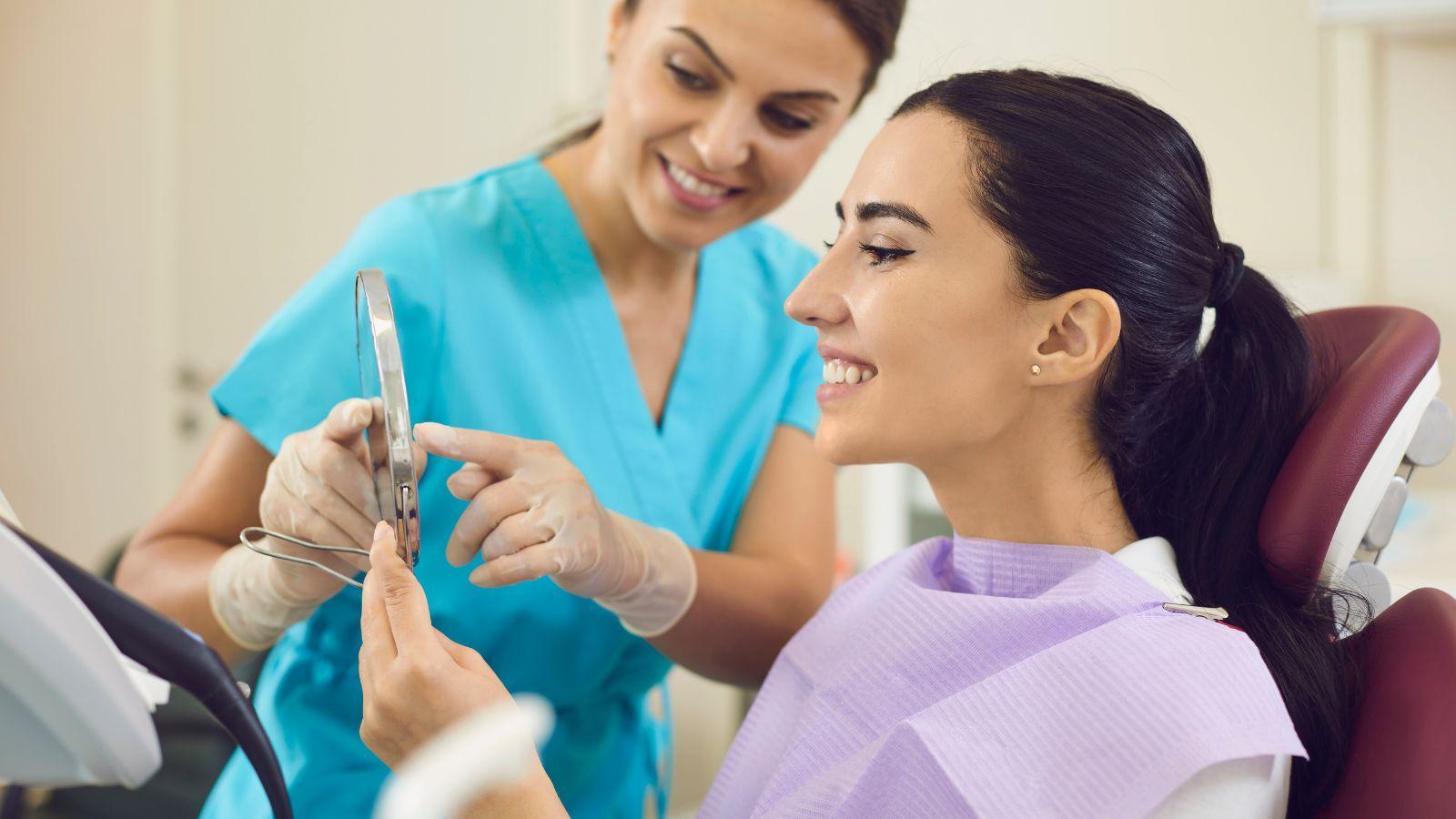
Book a consultation to see if you click with the dentist and their team. Bring a list of your priorities, your medical history, and your budget.
Expect a thorough exam, maybe some X-rays or scans, and a clear treatment plan with steps, timing, and cost.
Pay attention to how the dentist explains things. They should give you options, explain risks and maintenance, and not pressure you.
Ask about warranties, sedation, and who’ll handle follow-up care. If the conversation feels rushed or you don’t get straight answers, don’t be afraid to meet with someone else before you decide.
Budgeting and Planning for Your Smile Transformation
Figure out costs, payment options, and timing before you commit. Nail down expected fees and how appointments will fit into your schedule.
Estimating Costs and Financing
Prices vary. Whitening usually costs a few hundred bucks. Veneers can run $800–$2,500 per tooth. Single implants often hit $2,000–$4,500.
Get itemized quotes from at least two Palm Harbor offices. Compare lab fees, materials (porcelain vs. composite), and what’s included in follow-up.
Ask about payment plans, third-party credit (like CareCredit), and whether the office offers in-house financing. Double-check your dental insurance—most cosmetic stuff isn’t covered, but crowns or implants for function sometimes get partial benefits.
Here’s a quick budgeting checklist:
- Consult and imaging fees
- Procedure fees per tooth or arch
- Anesthesia or sedation costs
- Temporaries and final restorations
- Follow-up and maintenance visits
Set aside an extra 10–20% just in case you need unexpected fixes or extra treatments along the way.
Scheduling and Timeline Considerations
Start by mapping out your timeline, from the initial consultation all the way to the final restoration. Usually, you’ll have one visit for the consult and imaging.
Preparatory treatments like cleaning or root canals might take one to three visits, spread out over two to six weeks. Provisional restorations and lab work often need another two to four weeks.
Final placement typically takes one or two visits. If you’re going for a full-mouth makeover, expect the process to stretch out over three to six months—or longer, depending on how things go.
Try to coordinate your appointments around your work and travel plans. If you need sedation or several restorations in a single session, it’s smart to block out a couple of days in a row.
Ask your dentist for a written timeline, including estimated dates and how many visits you’ll need. It’s always better to know what you’re getting into.
Check on lab turnaround times, and see if the practice does same-day CAD/CAM restorations. That can speed things up, but sometimes it bumps up the cost.
Don’t forget to set aside recovery days after surgery or bonding appointments, and plan for any dietary restrictions your dentist recommends.