
Dentures vs Snap in Dentures: Key Differences and Benefits Explained
If you are considering replacing missing teeth, you might wonder whether traditional dentures or snap-in dentures are better for you. Traditional dentures are removable and often more affordable, but they can slip and cause discomfort. On the other hand, snap-in dentures use implants to stay more secure and stable in your mouth.
Snap-in dentures provide better fit, comfort, and jaw health compared to traditional dentures because they attach to implants fixed in your jawbone. This means they are less likely to move around while eating or talking, giving you more confidence in your daily activities.
Choosing between these two options depends on your budget, lifestyle, and oral health. Understanding how each works can help you pick the solution that suits your needs. It is best to consult a dental clinic that provides Dentures or a nearby dentist to get a quick assessment.
Key Differences Between Dentures and Snap in Dentures
You will notice clear differences in how traditional dentures and snap-in dentures fit, the materials they use, and how stable and comfortable they feel. These factors affect your daily use, including eating, speaking, and cleaning.
How Each Option Works
Traditional dentures rest directly on your gums and are held in place mostly by suction and adhesive creams. You remove them each day for cleaning and they rely on the shape of your gums and mouth to stay secure.
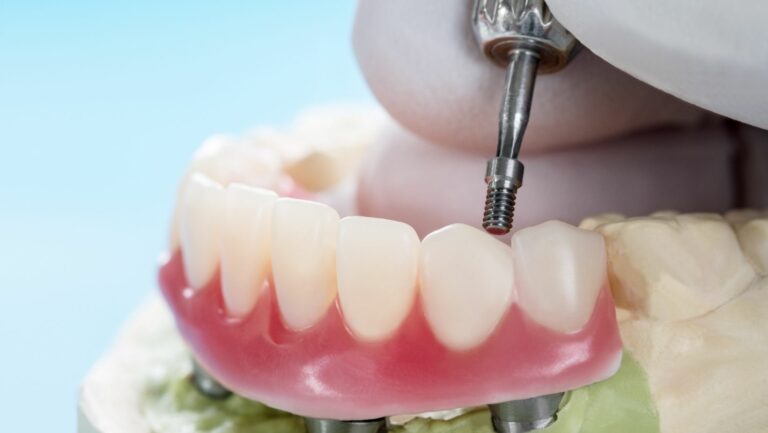
Snap-in dentures use dental implants that are surgically placed into your jawbone. The dentures then “snap” onto these implants. This connection makes the dentures removable but much more secure than traditional ones. The implants help keep the dentures steady when you eat or speak.
Materials Used in Production
Traditional dentures are usually made from acrylic resin, which is shaped to fit your mouth and look like natural gums and teeth. Some dentures might also use metal frameworks for added strength.
Snap-in dentures also use acrylic resin for the denture base and teeth. However, they include metal parts like titanium implants that are biocompatible and attach to your jawbone. This metal support is key to the denture’s secure fit and durability over time.
Stability and Comfort
Traditional dentures can sometimes slip or shift because they just sit on the gums. This might cause discomfort or make eating certain foods harder. Adhesives can help but don’t always guarantee a perfect fit.
Snap-in dentures are much more stable because they lock firmly onto implants. This reduces movement and often feels more natural. You’re less likely to experience sore spots or worry about your dentures falling out during daily activities. The implants also help keep your jawbone healthy by providing stimulation similar to natural teeth.
Benefits and Drawbacks of Each Option
Choosing between traditional dentures and snap-in dentures depends on how well they work for you, how much care they need, and the costs involved. Each option has its strengths and weaknesses in these areas, which you should think about carefully.
Functionality and Performance
Traditional dentures rest on your gums and may sometimes slip or shift when you eat or speak. This can make chewing certain foods harder and might cause some discomfort. You might need adhesives to keep them in place.
Snap-in dentures use implants fixed to your jawbone. They snap securely onto these implants, giving you better stability. This means you can eat more types of food and talk without worrying about slipping. The fit tends to feel more natural, which can boost your confidence.
However, snap-in dentures require surgery to place the implants, and the process takes several months for healing. If you want stronger biting force and less movement, snap-in dentures usually perform better.
Maintenance and Cleaning
Traditional dentures need to be removed daily for cleaning. You should soak them overnight in a denture cleaner to prevent bacteria buildup. Proper cleaning helps avoid bad odors and gum irritation.
Snap-in dentures also need daily cleaning, but you remove them less often since they snap into place. You must clean both the dentures and the implants carefully. Cleaning around implants is important to prevent gum infections.
Both types require regular dental check-ups. Snap-in dentures may need more frequent monitoring to ensure implants stay healthy and stable.
Cost Considerations
Traditional dentures are generally less expensive upfront. They are a more affordable option if you have a limited budget for tooth replacement.
Snap-in dentures cost more because of the implant surgery and follow-up care. The price includes implant placement, multiple visits, and sometimes additional procedures. However, their improved fit and function can make the higher cost worthwhile if you want a long-term solution.
Keep in mind that insurance coverage varies, so you should check what your plan covers before making a decision.
Choosing the Right Solution for Your Needs
You need to consider your health, budget, and lifestyle when choosing between traditional dentures and snap-in dentures. Each option offers different benefits and fits different needs.

Knowing your options will help you decide what works best for your situation.
Candidacy and Eligibility
Your overall health and jawbone condition affect whether you qualify for snap-in dentures. These dentures require dental implants, so you must have enough healthy bone to support the implants. If your jawbone is weak or has shrunk, you may need bone grafting or might only be eligible for traditional dentures.
Traditional dentures do not require surgery, so almost anyone missing teeth can use them. If you want a less invasive option or have health issues that prevent implants, traditional dentures may be better for you.
Dental history, age, and oral hygiene also matter. Your dentist will assess these before recommending the best option to fit your needs.
Longevity and Durability
Snap-in dentures typically last longer than traditional dentures because the implants provide a stable base. The implants help keep the dentures secure, reducing movement and wear. This stability protects your gums and jaw from further deterioration.
Traditional dentures tend to wear out faster and may need more frequent adjustments or replacements. They rely on adhesives and suction to stay in place, which can weaken over time.
With good care, snap-in dentures can last many years. Traditional dentures usually need to be replaced every 5-8 years due to changes in your mouth shape.
Dental Professional Recommendations
Your dentist’s advice will depend on your oral health and personal goals. They may suggest snap-in dentures if you want better fit, comfort, and jawbone health. These dentures improve chewing ability and reduce irritation.
For patients on a tight budget or who want a non-surgical option, dentists may recommend traditional dentures. These offer a quicker, less expensive way to restore your smile.
Professionals also consider how much maintenance you can commit to. Snap-in dentures need regular cleaning of implant areas, while traditional dentures require daily care of the denture and gums.
Trust your dental team to guide you based on your oral condition and lifestyle.