Dental Implants vs. Dentures (Benefits) Explained With Key Advantages
When you need to replace missing teeth, you might wonder whether dental implants or dentures are the better choice. Both options restore your smile, but they differ in comfort, durability, and how they affect your daily life. Choosing the right one depends on what matters most to you.
Dental implants offer a long-lasting, stable solution by anchoring directly into your jawbone, providing a natural look and feel. Dentures, on the other hand, are removable and usually cost less upfront but may require more maintenance and adjustments over time.
Understanding the benefits of each option can help you make an informed decision about your oral health. You deserve a choice that fits your lifestyle, budget, and long-term dental needs.
Comparing Dental Implants and Dentures
Dental implants and dentures serve the same purpose of replacing missing teeth but do so in different ways. They also differ in how they are placed, who is the right candidate, and what you can expect during the procedure.
Definition and Key Differences
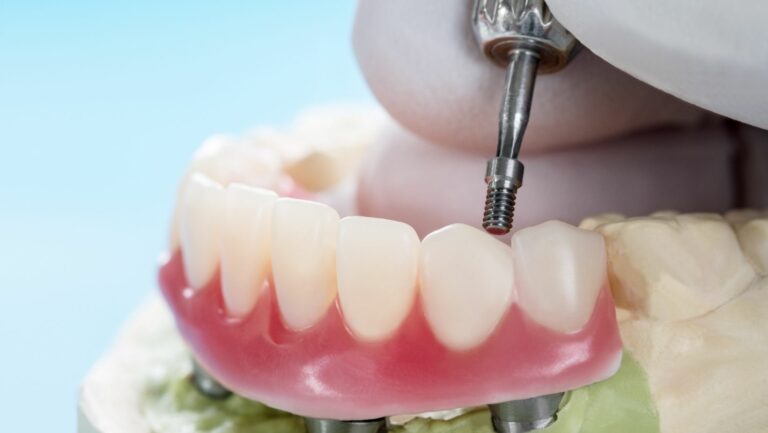
Dental implants are metal posts, usually made of titanium, placed directly into your jawbone. They act like tooth roots and hold replacement teeth firmly in place. Implants are permanent and can support single crowns, bridges, or even full sets of teeth.
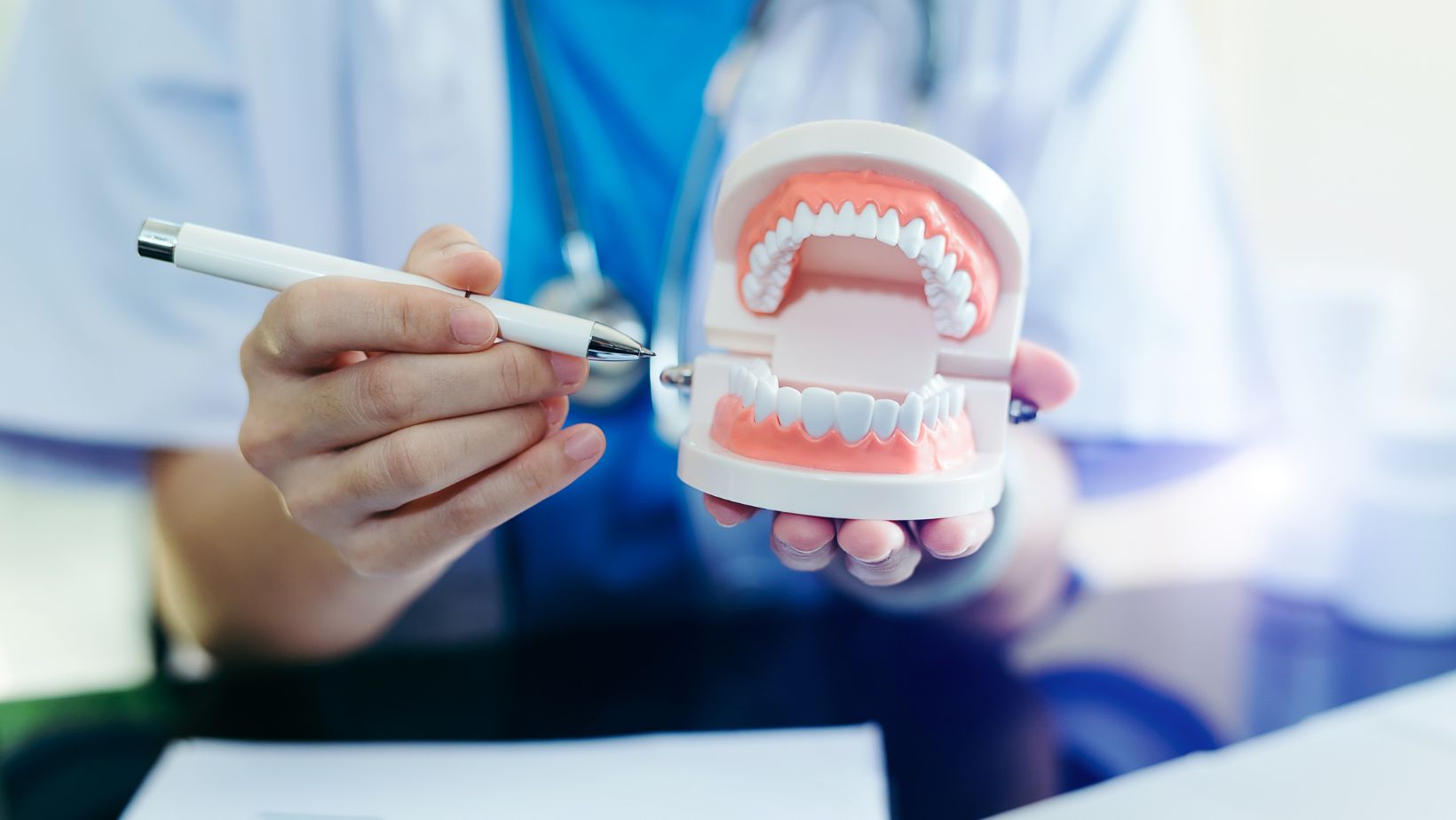
Dentures are removable false teeth that rest on your gums. They can replace a few teeth or a full arch and are usually made of acrylic or other plastics. Dentures can be taken out and need regular cleaning.
The main difference is implants are fixed and fuse with your bone, while dentures are removable and sit on top of your gums.
Suitability and Candidacy
To get dental implants, you must have healthy gums and enough jawbone to support the implant. This need for bone means extra treatments like bone grafting may be necessary if your jaw has shrunk over time. Your general health must also be good enough for oral surgery.
Dentures are more flexible as an option. They don’t require surgery or good bone structure. You may choose dentures if you want a less invasive and often less expensive option. They work well for people who don’t qualify for implants due to health issues or bone loss.
Your dentist will assess your mouth, bone health, and medical history before recommending which one suits you best.
Initial Procedure Overview
Getting dental implants involves several steps. First, the implant post is surgically placed into your jawbone. This surgery may require local or general anesthesia. After placement, it takes a few months for the implant to bond with the bone. Once healed, you get a crown or other replacement tooth attached.
Dentures are made after taking impressions of your mouth. The process usually requires a few visits to adjust fit and appearance. If you still have natural teeth, some may be removed first. Dentures are fitted over your gums, and no bonding or surgery is needed.
Overall, implants require longer treatment time but offer a more permanent solution. Dentures are faster to get but might need ongoing adjustments.
Benefits of Dental Implants
Dental implants offer several advantages that improve the way your teeth function and look.
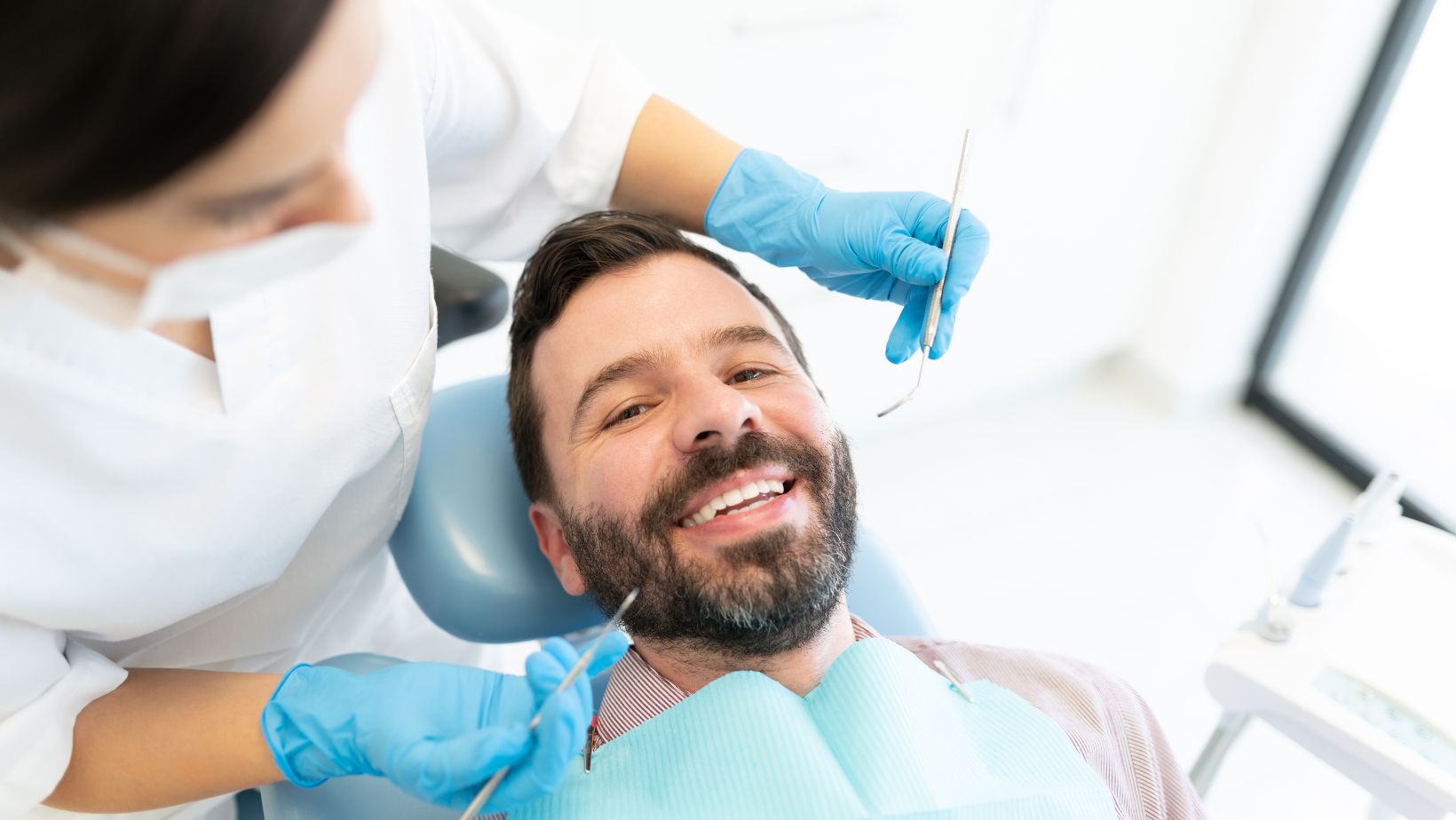
They provide strong support, help keep your jaw healthy, and closely match the appearance of natural teeth.
Longevity and Durability
Dental implants are designed to last many years, often decades, with proper care. The titanium posts fuse directly with your jawbone, creating a solid anchor. This bond gives your replacement teeth stability that most dentures cannot match.
Unlike dentures, which may need regular adjustments or replacements, implants resist wear and damage better. You won’t have to worry about slipping or discomfort during eating or speaking. This durability makes implants a cost-effective option in the long term despite their higher upfront price.
Bone Health Preservation
One major benefit of dental implants is how they protect your jawbone. When you lose teeth, the bone can shrink over time because it no longer has stimulation from the tooth roots. Implants act like natural roots by transferring chewing forces to the jawbone.
This process, called osseointegration, helps maintain bone density and prevent further bone loss. Keeping your jawbone healthy preserves your facial structure and prevents the sunken look that can happen with missing teeth or dentures alone.
Natural Look and Feel
Dental implants provide a natural appearance and feel because they are securely fixed in your jaw. The replacement teeth are attached to the implants, so they do not shift or move like traditional dentures can.
You can expect the shape, size, and color of the implants to be matched with your existing teeth. This makes smiling, talking, and eating more comfortable and confident. Implants also help keep nearby teeth stable, unlike partial dentures that rely on neighboring teeth for support.
Benefits of Dentures
Dentures offer practical advantages for many people looking to replace missing teeth. They are easier to get quickly and often cost less than implants. Dentures also do not require surgery, which can be important for patients with health concerns.
Affordability
Dentures are typically much more affordable than dental implants. If you are working with a tight budget, dentures can help restore your smile without a large upfront cost. You pay less for the materials and the fitting process compared to the surgical procedure needed for implants.
You may also avoid extra costs like bone grafts or multiple dental visits that implants sometimes require. Dentures can last several years with proper care, offering a cost-effective way to replace missing teeth.
Accessibility for Various Patients
Dentures are an option for most people, including those who may not be candidates for dental implants. If you have bone loss in your jaw or certain health conditions that prevent surgery, dentures can work well for you.
Because they don’t rely on surgery or bone integration, people of different ages and health backgrounds can usually get dentures. This makes them accessible and versatile for many who need tooth replacement.
Non-Invasive Installation
Getting dentures does not involve surgery. You only need dental impressions and measurements to create a set of false teeth that fit your mouth.
This non-invasive process means you avoid risks linked to surgery, like infections or longer healing times. If you prefer a simpler, quicker solution, dentures let you restore your ability to chew and speak without surgery.
Choosing the Perfect Option for You
Your decision depends on factors like daily habits and the care each option requires. Understanding how dentures or implants fit into your lifestyle and maintenance routine helps you pick what works best for your needs.
Lifestyle Considerations
Think about how active you are and what you eat. Dental implants act like natural teeth, so you can eat harder foods without much worry. Dentures might limit your food choices because they can slip or cause discomfort with tough or sticky foods.
If you want a permanent solution, implants are fixed in place and don’t require daily removal. Dentures need to be taken out and cleaned regularly, which may not fit with an active lifestyle or frequent travel.
Your budget also matters. Implants usually cost more upfront but last longer. Dentures are cheaper initially, but you might spend more over time on adjustments and replacements. Consider what you can afford now and in the long run.
Long-Term Maintenance
Implants need regular brushing and flossing, much like your natural teeth. You will still need dental check-ups to keep the implants and surrounding gums healthy. Once healed, implants require less daily fuss than dentures.
Dentures require more care. You must clean them daily with special solutions and soak them overnight. Improper care can cause infections or bad odors. Dentures may also need periodic relining or replacement as your mouth changes with age.
Both options need you to keep regular dental visits. These visits ensure your teeth, gums, and any dental work stay in good condition over time.