Medicinal Plant Seeds: Unlocking Nature’s Healing Potential
Picture this: You’re standing in your grandmother’s backyard, the air thick with the scent of crushed mint and chamomile. She hands you a tiny packet—medicinal plant seeds, she says, with a wink. “These saved your grandpa’s stomach more than once.” If you’ve ever wondered whether those little seeds could do more than just look pretty in a garden, you’re not alone. The truth? Medicinal plant seeds hold centuries of healing stories, and they’re making a comeback in kitchens, windowsills, and medicine cabinets everywhere.
Why Medicinal Plant Seeds Matter Now
Let’s get real. Modern medicine is powerful, but sometimes you want something gentler, closer to the earth. Medicinal plant seeds offer a way to grow your own remedies—no prescription required. People are tired of side effects, high costs, and feeling like just another number at the pharmacy. Growing medicinal plants from seed puts the power back in your hands. You control what goes into your body, and you get the satisfaction of nurturing something from the ground up.
What Are Medicinal Plant Seeds?
Medicinal plant seeds are exactly what they sound like: seeds from plants known for their healing properties. Think calendula for skin, echinacea for immunity, or milk thistle for liver support. These aren’t just old wives’ tales. Many of these plants have been studied and used for generations, with science catching up to what herbalists have known all along.
Common Medicinal Plant Seeds and Their Uses
- Chamomile: Calms nerves, soothes digestion, and helps with sleep.
- Lavender: Eases anxiety, supports sleep, and can help with minor burns.
- Milk Thistle: Supports liver health and detoxification.
- Echinacea: Boosts the immune system and may shorten colds.
- Calendula: Heals minor cuts, scrapes, and skin irritations.
- Holy Basil (Tulsi): Reduces stress and supports respiratory health.
Here’s the part nobody tells you: Not every seed is created equal. Some need cold stratification, others want warm soil. If you’ve ever planted a packet and wondered why nothing sprouted, you’re not alone. The secret? Read the instructions, and don’t be afraid to fail a few times. Even the best gardeners have stories of seeds that just wouldn’t budge.
How to Grow Medicinal Plant Seeds at Home
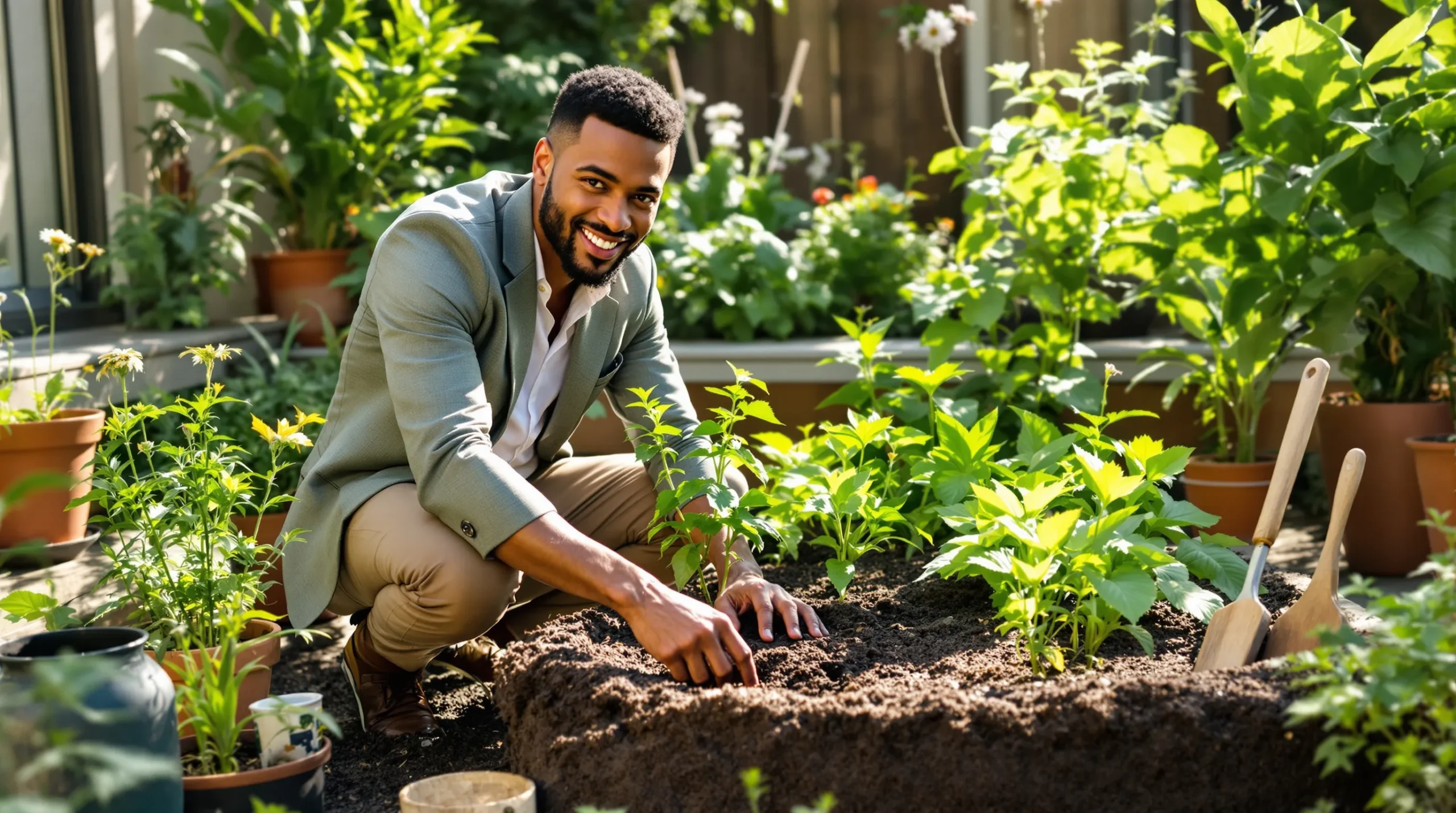
Starting medicinal plant seeds isn’t rocket science, but it does take patience. Here’s why: Some seeds, like echinacea, need a cold nap in the fridge before they’ll wake up. Others, like basil, want warmth and light. If you’re new to this, start with easy growers like calendula or chamomile. They forgive mistakes and reward you with cheerful blooms.
Step-by-Step Guide
- Choose high-quality medicinal plant seeds from a reputable source. Organic is best.
- Read the packet. Some seeds need soaking or chilling before planting.
- Use seed-starting mix, not regular garden soil. It drains better and keeps seeds happy.
- Plant seeds at the depth listed on the packet. Too deep, and they’ll struggle.
- Keep soil moist but not soggy. A spray bottle works wonders.
- Give them light—sunny windowsill or grow lights if you have them.
- Transplant seedlings outside after the last frost, or keep them in pots indoors.
If you’ve ever killed a houseplant, don’t worry. Medicinal plant seeds are forgiving. The key is consistency—water, light, and a little patience. And if you mess up? That’s part of the journey. Every gardener has a graveyard of failed seedlings. The trick is to keep going.
Harvesting and Using Your Medicinal Plants
Here’s where the magic happens. Once your plants mature, you can harvest leaves, flowers, or seeds for teas, tinctures, or salves. For example, snip chamomile flowers in the morning when their oils are strongest. Dry them on a screen, then steep in hot water for a calming tea. Calendula petals can be infused in oil for a soothing skin balm. The possibilities are endless, and you get to play herbalist in your own kitchen.
Safety First
Let’s break it down. Not every plant is safe for everyone. Pregnant women, kids, and people on medication should check with a healthcare provider before using new herbs. And always, always make sure you’ve identified your plants correctly. Mistakes can be dangerous. If you’re unsure, stick to well-known medicinal plant seeds and double-check with a trusted guidebook.
Who Should Grow Medicinal Plant Seeds?
If you love the idea of natural remedies, enjoy gardening, or want to save money on herbal products, medicinal plant seeds are for you. If you hate dirt under your nails or want instant results, this might not be your thing. Growing from seed takes time, patience, and a willingness to learn from mistakes. But the payoff? Fresh, potent herbs at your fingertips, and the pride of knowing you grew them yourself.
Lessons from the Garden: What I Wish I Knew
Here’s a confession: My first batch of echinacea seeds never sprouted. I watered too much, then too little. I forgot to label the pots. But I learned. Now, I keep a notebook, track what works, and celebrate every tiny sprout. The biggest lesson? Don’t expect perfection. Plants teach patience, resilience, and the joy of small victories. If you stick with it, you’ll find your own rhythm—and maybe even a new favorite remedy.
Next Steps: Start Your Medicinal Garden
Ready to try? Start small. Pick two or three medicinal plant seeds that excite you. Order from a trusted supplier, gather your pots and soil, and set aside a sunny spot. Remember, every herbalist started with a single seed. Your future self—calm, healthy, and maybe a little smug—will thank you.
If you’ve ever wondered whether you could grow your own medicine, the answer is yes. Medicinal plant seeds offer a simple, powerful way to reconnect with nature and take charge of your health. The journey starts with a handful of seeds and a little curiosity. Who knows? You might just surprise yourself.