Principles and Future of Organic Farming
Principles of Organic Farming: Cultivating a Greener Tomorrow
Ever wondered why your neighbor's heirloom tomatoes taste like they were kissed by the sun? Organic farming isn't just about having a garden full of pretty vegetables: it's a solid approach to agriculture that benefits us, the planet, and our taste buds. In this text, we'll explore the principles of organic farming that lead to healthier soils, diverse ecosystems, and yes, those mouthwatering tomatoes. Let's dig in and cultivate some knowledge together.
Understanding Organic Farming
Organic farming is more than a method: it's a philosophy. We embrace practices that promote ecological balance and biodiversity. It's about working with nature rather than against it. When we say "organic," we mean farming methods free from synthetic fertilizers and pesticides. This is our commitment to create sustainable, healthy food systems that respect our environment.
Key Principles of Organic Farming
Biodiversity and Ecosystem Health
One of our fundamental principles is enhancing biodiversity. By promoting a variety of plants and animals in our farming systems, we can increase resilience against pests and diseases. It's like building a community: the more diverse we are, the stronger we grow.
Soil Health and Fertility
Healthy soil is the backbone of organic farming. We focus on maintaining and improving soil health through practices like composting and cover cropping. By nourishing our soil, we enable it to retain moisture and nutrients effectively, leading to more vigorous crops. Think of soil as the misunderstood superhero in our organic farming adventures.
Sustainable Pest Management
Pest control in organic farming doesn't mean spraying harmful chemicals everywhere. Instead, we use natural predators and other eco-friendly methods to manage pests. This helps maintain an ecological balance. It's our way of saying, "We trust nature's plan, and we're happy to work with it."
Crop Rotation and Diversity
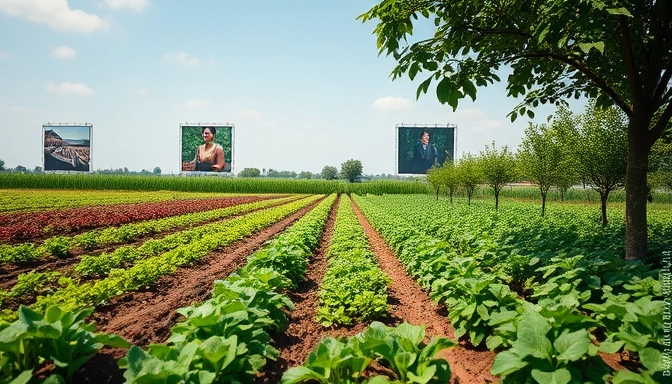
Crop rotation and diversity are essential strategies in organic farming. By changing the crops we plant in a particular area from year to year, we break the cycle of pests and diseases. Plus, rotating crops allows us to use various nutrients in the soil. We grow a variety of crops to enhance soil health and support a wide range of beneficial insects, fostering a robust and resilient ecosystem.
Economic Viability of Organic Farms
When we think about organic farming, it's crucial to consider its economic aspects. While initially, organic practices may require higher investment, the long-term benefits are undeniable. We witness increased demand for organic products, leading to higher market prices. Investing in organic farming practices also results in lower input costs over time due to improved soil fertility and pest resilience. In short, going organic is not only good for our conscience but also for our wallets.
Challenges and Future of Organic Farming
Even though the numerous benefits, organic farming comes with its challenges. We face hurdles like climate change and market fluctuations that can affect our yields. But, there's hope. Innovations in organic practices and technology, combined with increasing consumer demand for sustainability, paint a promising picture for the future of organic agriculture. Together, we can navigate these challenges and remain committed to our mission of a greener planet.