What to Eat After Dental Implant Surgery in Woodbury, MN – Tips for Fast Healing and Comfort
After dental implant surgery in Woodbury, MN, what you eat plays an important role in how well you heal. Choosing soft, nutrient-rich foods helps protect the implant site and supports faster recovery while reducing strain on your healing gums and jawbone. Patients recovering under the guidance of Imagine Your Smile Dental Implant Center are often advised to avoid hard or crunchy foods that could irritate the area, slow healing, or interfere with implant stability.
Your post-surgery diet should focus on foods that are gentle and easy to chew, helping you stay comfortable during the healing phase. Making the right dietary choices can lower the risk of complications and support proper healing. This guide will help you understand which foods are safe and how to transition back to your normal diet gradually and safely.
Immediate Post-Operative Nutrition
Right after your dental implant surgery, choosing the right foods and fluids is key to preventing pain, swelling, and damage to the surgical site. Focus on gentle options that protect your healing tissues while keeping you nourished and hydrated.
Soft Foods for the First 24 Hours
During the first day after surgery, your jaw and gums are sensitive and need gentle care. Stick to soft foods that require little to no chewing. Examples include:
- Mashed potatoes
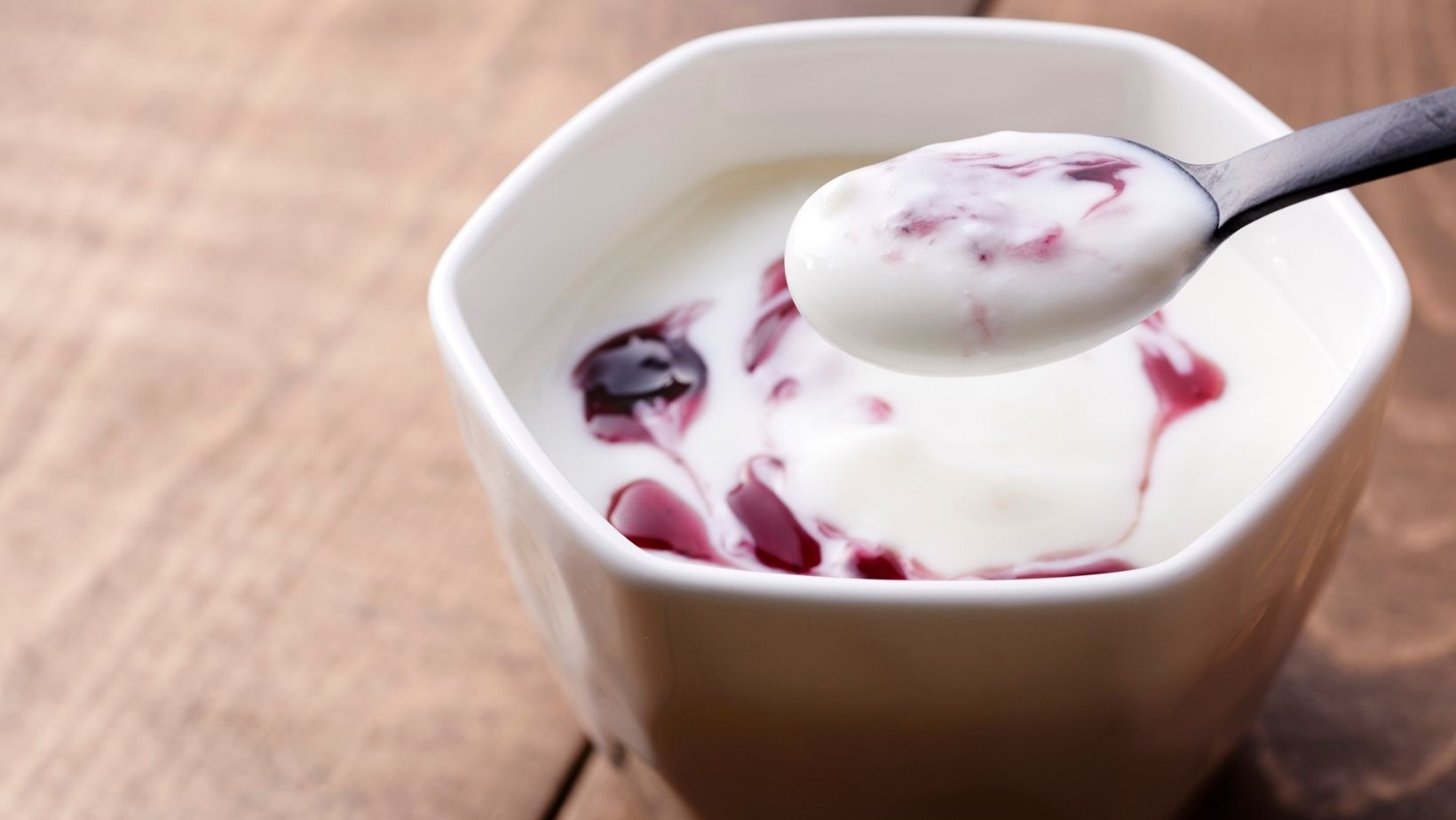
- Yogurt
- Applesauce
- Smooth soups (room temperature or cool)
- Scrambled eggs
Avoid hot foods because they can increase swelling or bleeding. Eat small portions slowly to avoid disturbing blood clots near the implant site. Cold or lukewarm foods help ease discomfort and protect delicate tissues as they begin to heal.
Recommended Hydration Methods
Staying hydrated is essential, but you must be careful about how you drink fluids. Use a cup instead of a straw because sucking can dislodge blood clots and slow healing. Drink plenty of water throughout the day.
Avoid carbonated drinks or alcohol for at least 24 hours. These can irritate the surgical area and cause dryness. Herbal teas and diluted fruit juices are good options—as long as they are not hot. Aim to keep yourself hydrated without placing stress on your mouth.
Foods to Avoid Immediately After Surgery
Certain foods can disrupt healing and increase the risk of infection or implant failure. Stay away from:
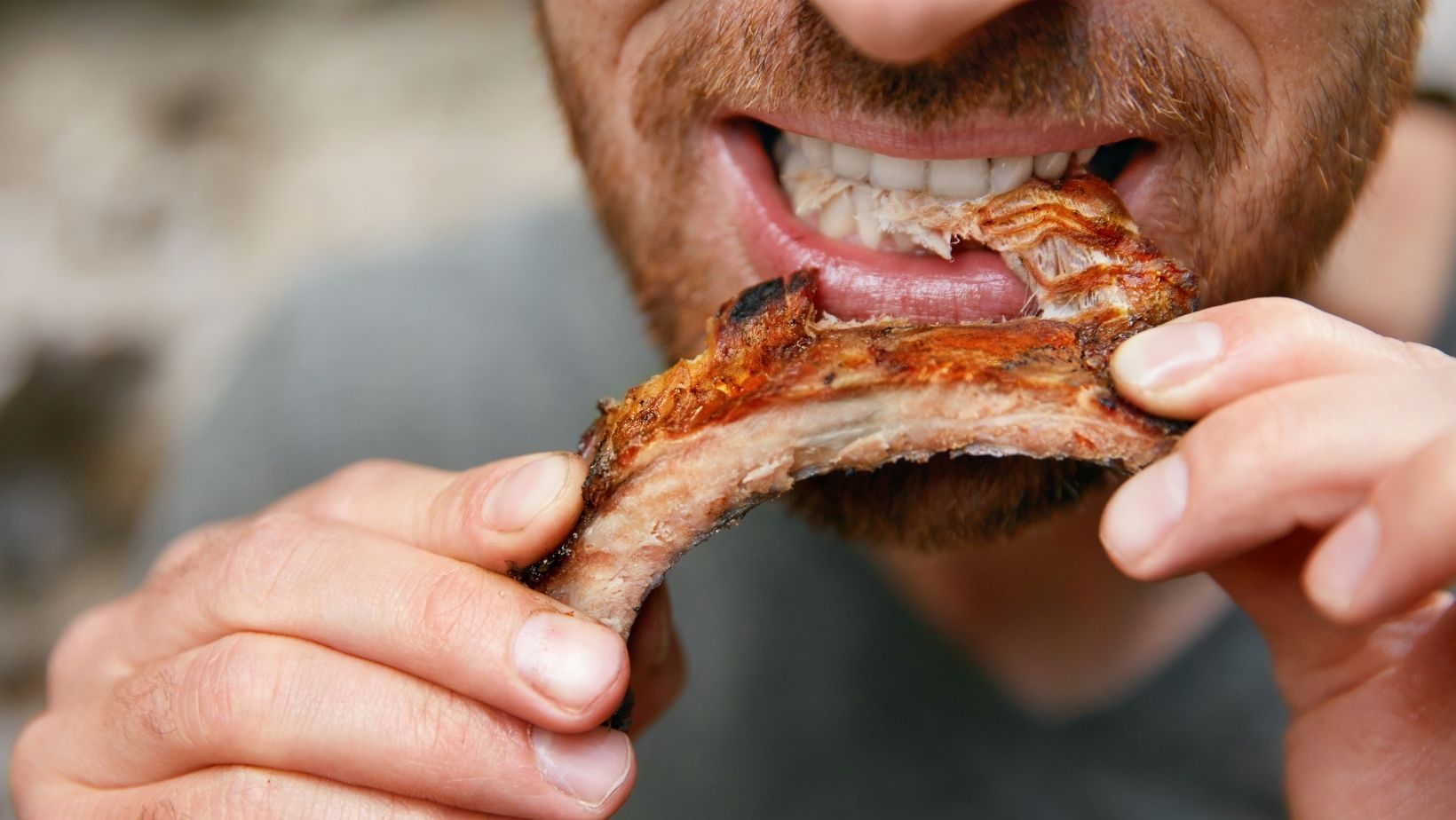
- Hard, crunchy foods like nuts and chips
- Sticky or chewy sweets such as caramel or gum
- Spicy foods that can irritate oral tissues
- Hot liquids and meals that raise blood flow and swelling
Also avoid acidic items like citrus fruits or vinegar that can irritate the surgical site. Waiting at least a week before returning to these foods helps protect your implant and reduces pain and complications.
Optimal Foods for Healing
Choosing the right foods helps your body heal faster after dental implant surgery. Focus on meals that provide enough protein, vitamins, and minerals. Planning your daily eating habits will keep your energy up without harming the surgery site.
Protein-Rich Meal Ideas
Protein is key for tissue repair and fighting infection. Soft options include scrambled eggs, smooth yogurt, and cottage cheese. You can also try well-cooked fish or tender shredded chicken.
Avoid tough or chewy meats that could irritate your gums. Protein shakes with milk or plant-based alternatives can be a good way to add nutrients without chewing. Lentil soup and soft tofu are also gentle on your mouth while offering protein.
Eating protein throughout the day supports steady healing. Aim for small, frequent meals that include some protein each time.
Vitamins and Minerals for Recovery
Certain vitamins and minerals speed up healing and strengthen your immune system. Vitamin C is essential for tissue repair. Soft fruits like mashed bananas or cooked apples are safe choices.
You need calcium to support bone health. Drink milk or consume soft cheese. Iron helps your blood carry oxygen, so include pureed spinach or smooth beans in your diet.
Zinc plays a role in wound healing too. You can get zinc from soft seeds or blended nuts if your dentist approves. Avoid hard or crunchy sources during early recovery.
Sample Meal Plan for the First Week
During your first week, focus on soft, easy-to-eat foods that provide nutrients without pressure on your jaw.
Breakfast:
- Oatmeal with mashed banana and honey
- Smooth yogurt with soft berries
Lunch:
- Creamy vegetable soup
- Scrambled eggs with shredded cheese
Dinner:
- Mashed potatoes with pureed cooked fish
- Soft cooked carrots or squash
Snacks:
- Protein shake
- Applesauce or pudding
Drink plenty of water and avoid hot, spicy, or acidic foods. This plan keeps your mouth comfortable and supports healing.
Long-Term Dietary Considerations
Your diet after dental implant surgery affects healing and how well your implants last. You will gradually move back to solid foods, handle sensitivity around the implant site, and need to keep up good nutrition for your oral health.
Transitioning to Solid Foods Safely
Start by slowly adding firmer foods as your implant site heals. Soft foods like mashed potatoes, yogurt, and scrambled eggs are good first steps. After a few weeks, you can try soft-cooked vegetables and tender meats.
Avoid hard, crunchy, or sticky foods at first. Chewing tough foods can irritate the surgical area or damage the implant site. Cut foods into small pieces to reduce chewing pressure.
Watch for any pain or discomfort when eating new foods, and if you feel sensitivity, go back to softer options. Always follow your dentist’s advice on when to progress your diet.
Managing Sensitivity and Discomfort
Sensitivity near the implant site is normal for several weeks. Your mouth may be tender to hot or cold foods and drinks. To reduce discomfort, avoid very hot beverages and acidic foods like citrus fruits or vinegar.
You can eat lukewarm or room-temperature meals to help with sensitivity. Use a straw for cold drinks to bypass the implant area.
If discomfort persists beyond a few weeks or worsens, contact your dentist. They can check for infection or other issues needing care.
Maintaining Oral Health Through Diet
Eating well supports your implant’s long-term success. Focus on a balanced diet rich in vitamins and minerals like calcium, phosphorus, and vitamin D. These nutrients strengthen your jawbone and gum health.
Limit sugary foods and drinks, as they increase the risk of gum disease and infections around the implant. Drink plenty of water to keep your mouth clean.
Foods high in fiber, such as fruits, vegetables, and whole grains, can help clean your teeth naturally and improve gum health. Avoid habits like chewing ice or hard objects that may damage your implant or surrounding teeth.